Kidence
01 · Overview
Research preview Paper under review · 2026

Predicting affective dysregulation ten seconds before it surfaces.

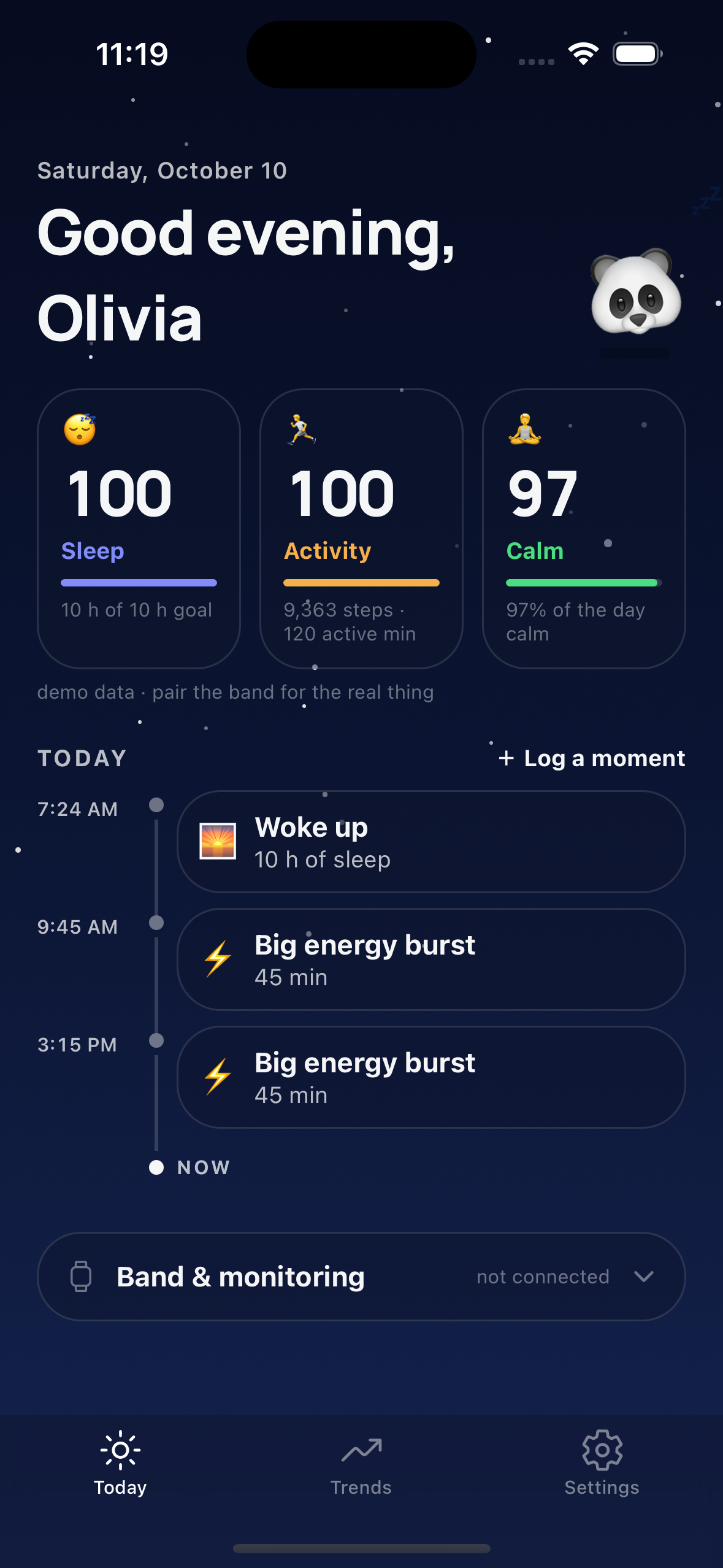
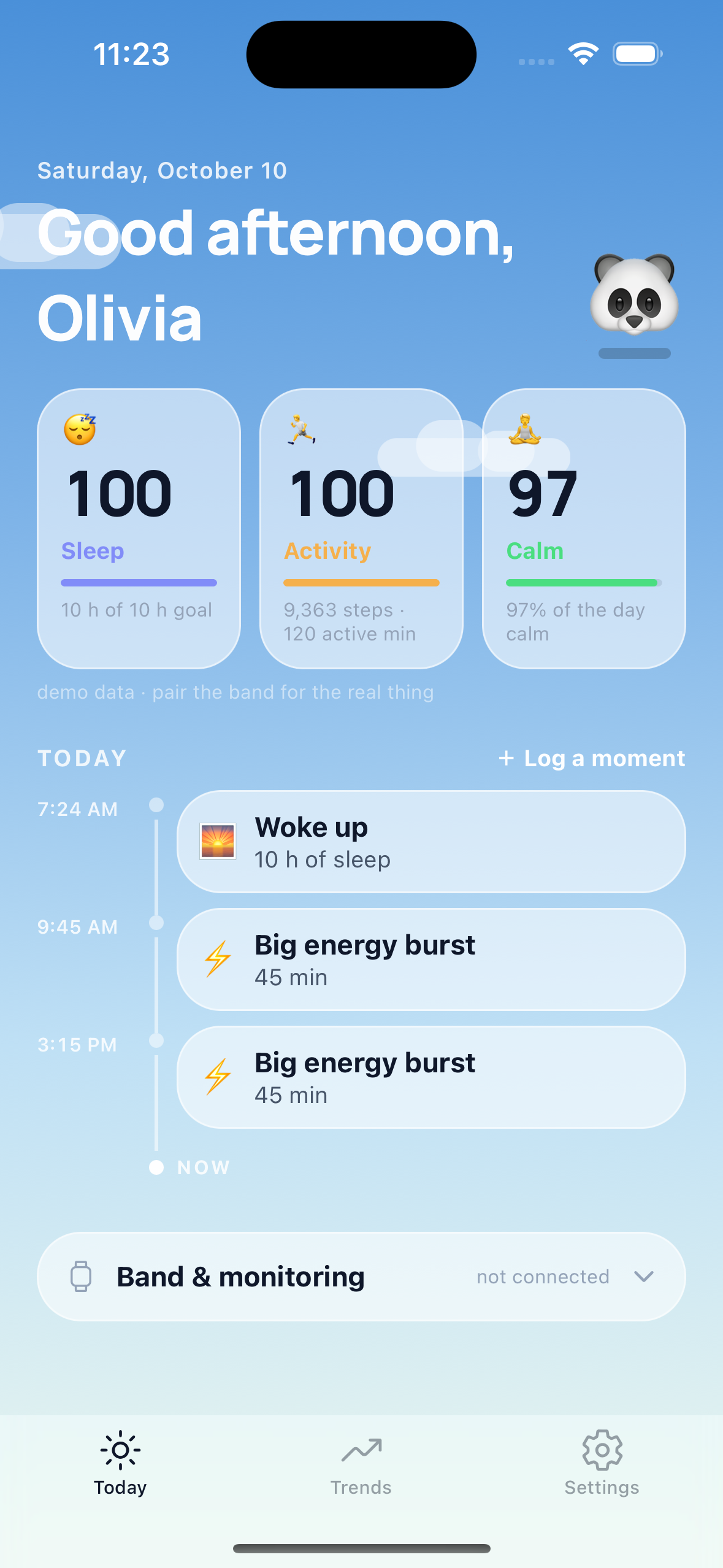
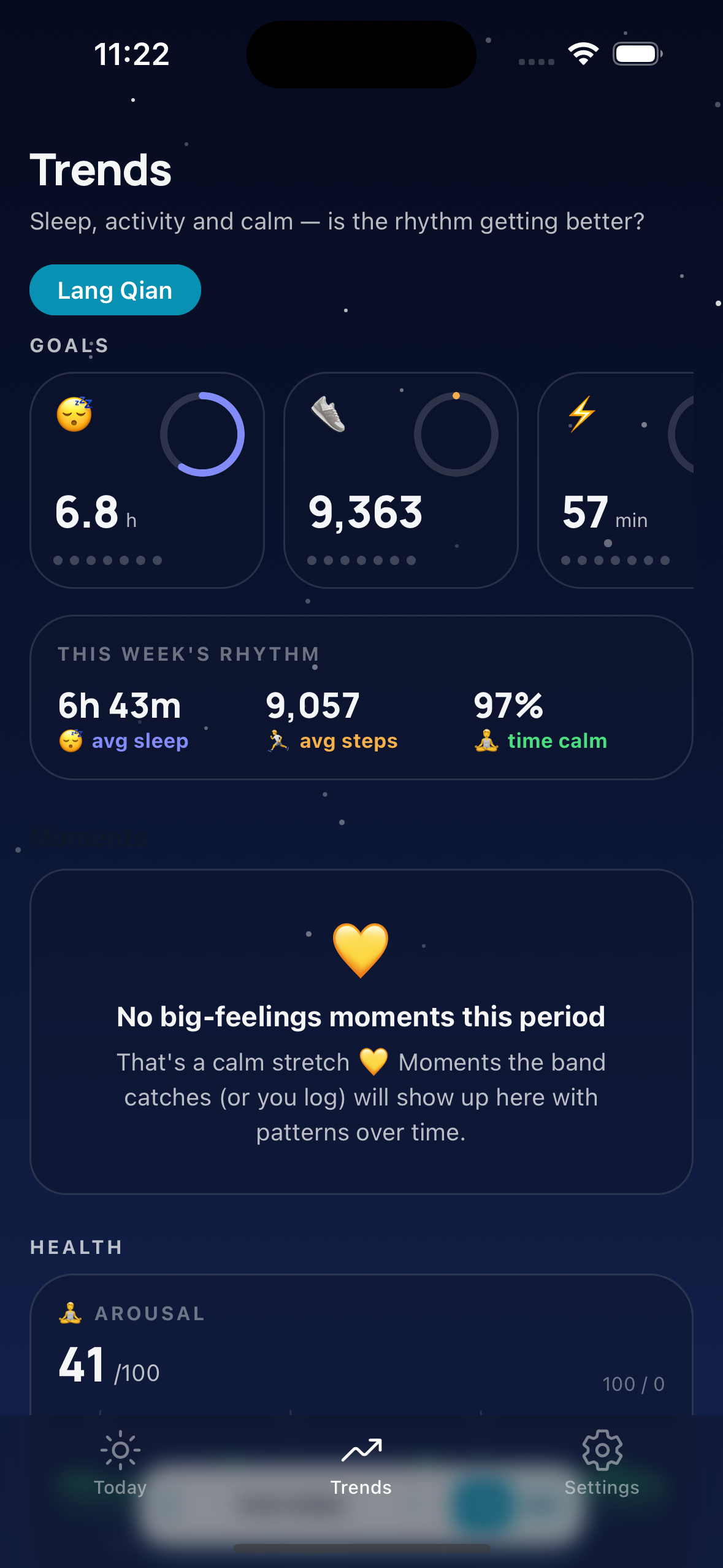
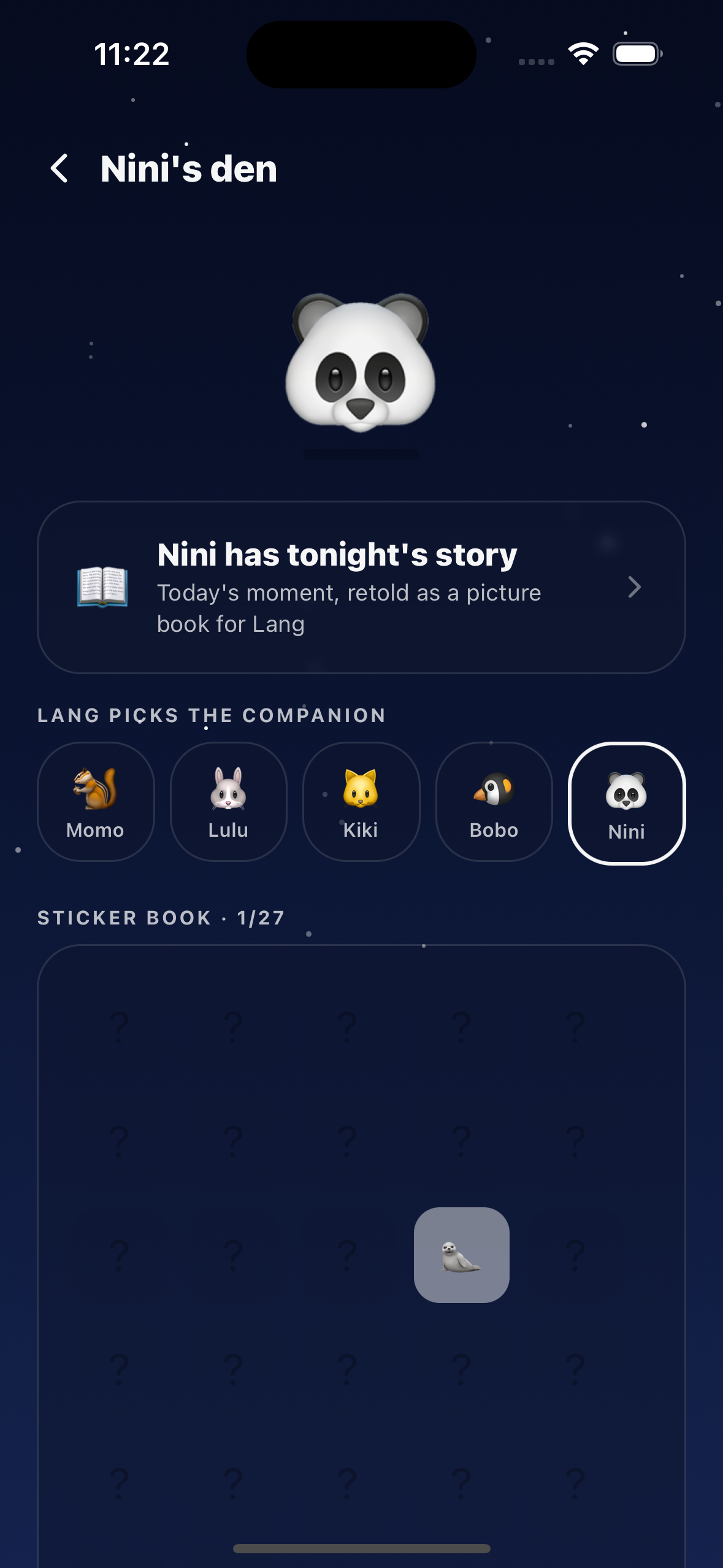
Kidence is a wearable system that detects the physiological precursors of emotional crisis — meltdowns, panic attacks, dissociative episodes — and delivers pre‑emptive alerts and personalized de‑escalation cues. The model continually re‑learns from each individual's data, so its predictions and recommendations sharpen with use.

Lead time
≥ 10 s
Median pre‑onset warning in pilot data.
Signals
HR · EDA · IMU
25 Hz multimodal from a wrist‑worn band.
Personalization
Continual
No batch retraining. The policy updates as you label.
Populations
3
Autism, panic disorder, PTSD.
02 · Approach

Affective crises rarely arrive without a physiological signature.

The latency between signature and overt behavior is the window in which intervention is still possible. Kidence is designed to make that window usable: detect early, alert without false alarm fatigue, and surface the response most likely to work for this person.

i. Detect

On‑wrist anomaly model

A lightweight time‑series model runs on a 60‑second window of HR, EDA, accelerometer, and skin temperature, flagging deviations from the wearer's baseline.

ii. Predict

Cloud personalization

A per‑individual policy converts anomaly score plus context (time, place, recent events) into an alert decision with a calibrated lead‑time estimate.

iii. Mitigate

Adaptive intervention

A contextual bandit ranks de‑escalation strategies. Each user's outcome — worked, partial, didn't — updates the policy for the next event.

03 · Online learning

Continual learning, not snapshot training.

Affect is non‑stationary. The triggers, baselines, and effective responses for any given person drift across days, contexts, and developmental stages. A model trained once and frozen will degrade. Kidence's personalization model updates online with each new event and each piece of feedback, in the spirit of continual reinforcement learning — reweighting predictions and intervention rankings as evidence accumulates.

What updates online
  • Per‑user alert threshold and lead‑time calibration.
  • Function‑of‑behavior weights from labeled outcomes.
  • Intervention policy — which response, in which context.
  • Contextual priors: time of day, recent sleep, prior events.
What stays fixed
  • The base anomaly detector ships as a population‑trained edge model, updated only by deliberate OTA release.
  • Clinician‑approved intervention candidates remain bounded; the policy chooses among them, it does not generate them.
  • Safety constraints and escalation rules are not learned.

“The world is non‑stationary; a learning system must therefore keep learning.”

— framing inspired by recent work on continual reinforcement learning. Technical details in our manuscript (under review).

04 · Populations

Three populations. One predictive substrate.

The physiological precursors of meltdown, panic, and trauma re‑experiencing overlap more than the clinical labels suggest. We adapt the same continual‑learning core to each context, working with clinical partners specific to that population.

04.1 · Autism · Children

Pre‑meltdown alerts for caregivers and BCBAs

Parents receive an actionable cue seconds before a meltdown becomes visible; behavior analysts receive structured event data for clinical decision support. Personalization adapts to each child's triggers, sensory profile, and what has historically worked.

04.2 · Panic disorder · Adults

Pre‑attack cues for grounding

The model surfaces the autonomic signature of an oncoming attack and prompts the user‑chosen grounding technique — paced breathing, sensory anchoring, cognitive reframing — with the version most effective for this individual in this context.

04.3 · PTSD · Veterans

Hyperarousal and dissociation precursors

Designed in consultation with clinicians treating combat‑related PTSD, the system flags the physiology of hypervigilance or dissociative onset and offers the regulation strategy the veteran has trained on in therapy — not novel content.

05 · Research

Built on the literature. Validated in the field.

Manuscript

Predictive Detection of Affective Dysregulation from Multimodal Wrist‑Worn Signals.

Submitted, 2026. Preprint on request.

Data collection

Field study with labeled stress‑onset events across pediatric and adult cohorts.

iOS collector · C1 wristband · 25 Hz PPG, EDA, IMU.

Clinical partners

Working with BCBAs, anxiety‑disorder clinicians, and VA‑adjacent PTSD researchers.

Pilots underway, 2026.

06 · Contact

For researchers, clinicians, and design partners.

We are currently expanding pilot deployments and would like to hear from clinical sites, research groups working on continual learning or affective computing, and individuals living with the conditions above who are willing to inform the design.